Gallstones, small crystalline particles that form in the gallbladder, can cause discomfort and serious health issues if left untreated. In Noida, a city known for its advanced healthcare facilities, individuals dealing with gallstones have access to a range of effective treatment options. In this comprehensive guide, we will explore the various aspects of gallstone treatment in Noida, including diagnosis, treatment modalities, lifestyle considerations, and the importance of seeking timely medical attention.
Understanding Gallstones:
Formation and Types: Gallstones can develop when there is an imbalance in the substances that make up bile, a digestive fluid produced by the liver. The two main types of gallstones are cholesterol stones and pigment stones, each requiring specific approaches in their treatment.
Symptoms: Gallstones may be asymptomatic, but when symptoms arise, they often include abdominal pain, nausea, vomiting, and jaundice. Recognizing these signs is crucial for early intervention and effective gallstone treatment.
Diagnosis of Gallstones:
Clinical Evaluation: A visit to a healthcare professional in Noida specializing in gastroenterology or hepatology is the first step in the diagnosis. A thorough clinical evaluation, including a discussion of symptoms and medical history, helps in assessing the likelihood of gallstones.
Imaging Studies: Diagnostic imaging plays a key role in confirming the presence of gallstones. Ultrasonography, CT scans, and MRIs are commonly used to visualize the gallbladder and identify stones.
Non-Surgical Treatment Options:
Medication: In some cases, healthcare providers may prescribe medications to dissolve cholesterol stones. Ursodeoxycholic acid is a commonly used medication for this purpose, but it may take months to achieve results.
Extracorporeal Shock Wave Lithotripsy (ESWL): ESWL is a non-invasive procedure that uses shock waves to break down gallstones, making it easier for the body to pass them naturally. While effective for some patients, it may not be suitable for everyone.
Surgical Intervention:
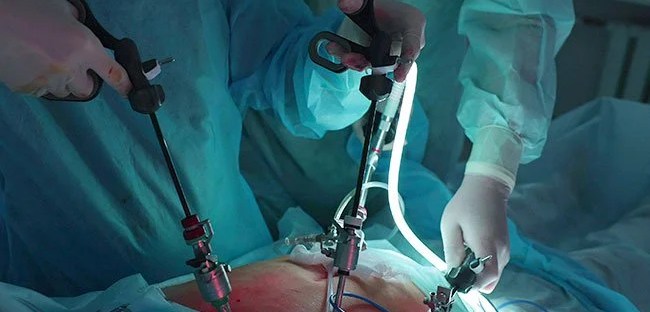
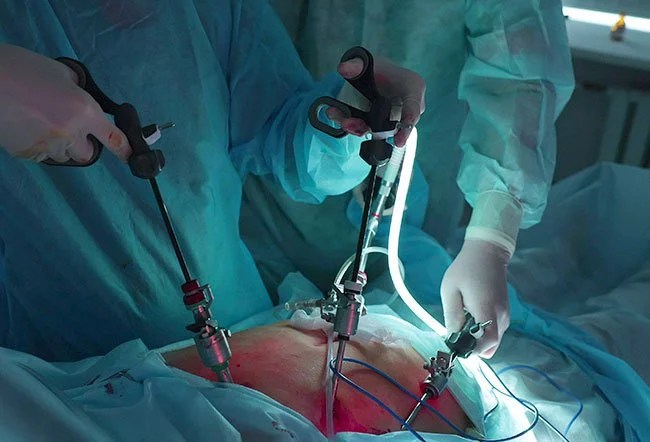
Laparoscopic Cholecystectomy: The most common and effective surgical approach for gallstones is laparoscopic cholecystectomy. This minimally invasive procedure involves removing the gallbladder through small incisions, resulting in shorter recovery times and less postoperative pain.
Open Surgery: In certain cases, open surgery may be necessary, especially if complications like infection or inflammation are present. This approach involves a larger incision and a longer recovery period.
Choosing the Right Treatment:
Individualized Approach: The choice between non-surgical and surgical options depends on factors such as the size and type of gallstones, the severity of symptoms, and the overall health of the patient. A healthcare provider Gall stone treatment in noida will tailor the treatment plan to the individual’s specific needs.
Risks and Benefits: Patients should be informed about the potential risks and benefits of each treatment option. Non-surgical methods may be less invasive but might take longer, while surgery offers a quicker resolution but involves some inherent risks.
Post-Treatment Care:
Dietary Changes: After gallstone treatment, adopting a healthy diet is essential. Reduced fat intake and avoiding certain trigger foods can help prevent the recurrence of gallstones and promote overall digestive health.
Regular Check-ups: Follow-up appointments with the healthcare provider are crucial to monitor recovery and address any post-operative concerns. Routine check-ups also allow for the early detection of potential issues.
Importance of Timely Treatment:
Preventing Complications: Timely intervention is crucial to prevent complications such as gallbladder inflammation (cholecystitis), infection, and the migration of stones into the bile ducts, which can lead to more serious conditions.
Enhancing Quality of Life: Seeking prompt gallstone treatment in Noida ensures a quicker return to a normal, pain-free life. Addressing symptoms early on can significantly enhance the patient’s overall quality of life.
Lifestyle Considerations:
Maintaining a Healthy Weight: Obesity is a risk factor for gallstone formation. Adopting a healthy lifestyle that includes regular exercise and a balanced diet can contribute to weight management and reduce the risk of gallstones.
Hydration and Dietary Choices: Staying well-hydrated and making wise dietary choices, such as incorporating fiber-rich foods, can contribute to overall digestive health and reduce the risk of gallstone formation.
Noida’s Healthcare Infrastructure:
Specialized Centers: Noida boasts state-of-the-art healthcare facilities and specialized centers equipped to diagnose and treat gallstones. Gastroenterologists and hepatologists in the city are well-versed in the latest advancements in gallstone management.
Patient-Centric Care: Patients in Noida can expect patient-centric care, with healthcare providers collaborating to ensure a comprehensive and tailored approach to gallstone treatment. This collaborative model enhances the overall patient experience and outcomes.
Conclusion:
In Noida, individuals dealing with gallstones can find solace in the city’s advanced healthcare infrastructure and the expertise of specialized professionals. Recognizing the symptoms, seeking timely medical attention, and exploring the available treatment options are crucial steps in managing gallstones effectively. Whether opting for non-surgical or surgical interventions, the goal is to achieve long-term relief and promote overall digestive health. By understanding the various aspects of gallstone treatment in Noida, individuals can make informed decisions about their healthcare journey and work towards a life free from the discomfort of gallstones.

 Dr Shyam Sunder Pachisia